
Mariya 0, Te Ikaroa 5 (Wāhine)
Mariya 2, Te Ikaroa 3 (Tāne)
McLennan Park, Auckland, January 20 2018
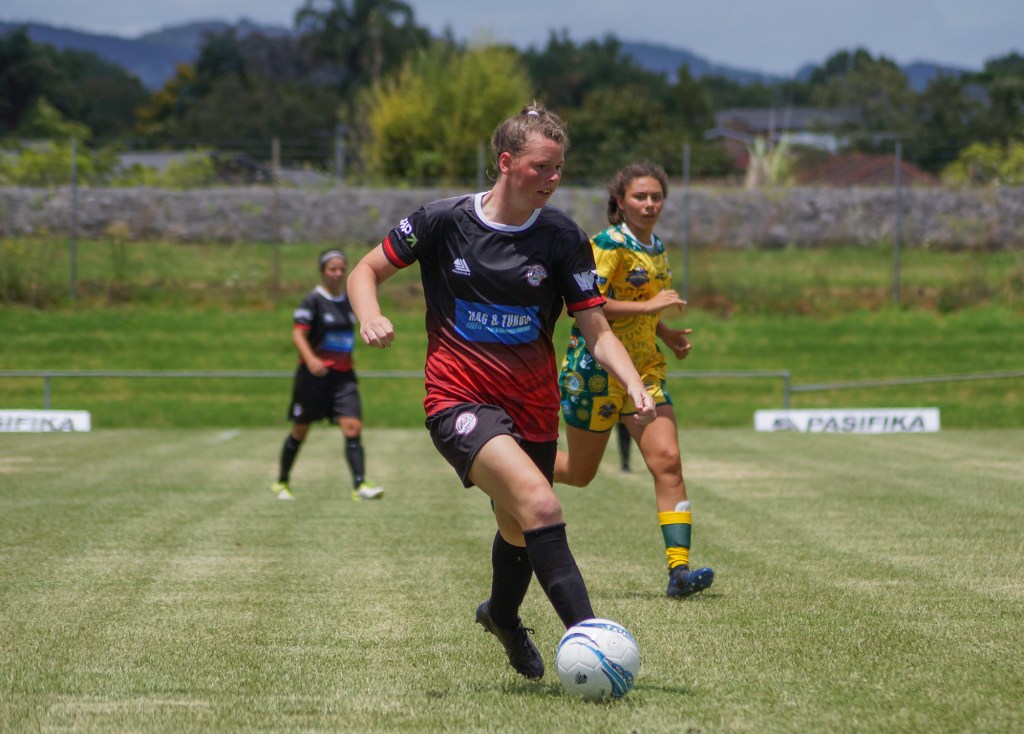
Football isn’t normally a sport that one associates with high Māori participation, and that has simply got to change. For three main reasons that I can think of…
High Māori participation is good for the strength of our clubs and our national sides, it’s good for players of every ethnicity, and it’s good for our style of play.
It’s not rocket science. We get stronger because we have more talent – especially any talented kids we can lure away from rugby. Other players get exposed to different cultures and world views that can make them more well-rounded citizens of the community and of the game. And it can bring a fresh flavour to our play, adding Polynesian flair in place of the at times stodgy Anglo Saxon style guide we still largely follow.
That’s why I am delighted to see the emergence of a ‘New Zealand Māori’ football association, which is attracting some of our best mainstream internationals like Grace Jale and Sam Tawharu into its ranks, with fixtures against indigenous opposition from other countries – in this case Australian first nations.
Some might call it separatism. It’s not. It’s creating a space for everyone to participate where they feel welcomed and valued, and allowing them to feel connected to their culture while playing the game they love. This is something we should all support, from grassroots up to NZ Football and FIFA.
It’s also a start towards honouring Te Titiri o Waitangi by creating more of a partnership between Māori and others in the game.
It literally brought tears to my eyes to see haka performed before each of these fixtures kicked off. I had never witnessed that before in all of my years following football. Inexcusable really.
On top of that, watching the Australian First Nations side perform their dream time corroboree in response to the men’s haka was one of the most moving experiences I have ever felt at a sporting occasion of any kind. It really was something quite special.
But as cool as that was, once the whistle blew there was no room for sentimentality and no quarter given – you’ve got to beat the Aussies after all!
The women’s international was a little lopsided despite Mariya enjoying the better of the opening exchanges and earning themselves a penalty while Te Ikaroa were still finding their feet. The spot kick was missed though, and it turned out to be the only real chance the green and golds got.
The men’s international was more evenly fought.
An early Te Ikaroa goal was cancelled out by Mariya before the home side added two more. Tempers flared a few times – especially towards the end of the first half when the referee had to send the teams into the sheds a little early to calm things down.
Despite the second half being a bit more subdued, Mariya found themselves down to ten men with a significant portion of the game yet to play in stifling heat. This seemed to spur the Aussies on though, as they dominated the final twenty minutes and were rewarded with their second goal of the afternoon.
The damage had already been done however, and Te Ikaroa managed to hang on for an entertaining 3-2 victory.
What a day! I absolutely loved every minute of it.
These fixtures were a great step in the direction of making football more bicultural. But the experience got me thinking that we have to do more.
New Zealand Football are partly constrained by FIFA and the world governing body’s desire to steer clear of politics as they see them. But that doesn’t stop us from doing things like incorporating more tikanga off the pitch to create less Eurocentric spaces.
And, perhaps on a purely symbolic level, one idea is… don’t shoot but… the game in New Zealand sometimes feels a bit like it’s tarnished with the racial connotations of the “All Whites” brand.
This may be (and probably is) blasphemy, but perhaps it’s time to show we are serious about changing our image by starting to think about changing this national team moniker to something that better represents who we are and who we want to be?
I’ll leave you with that thought.
 The ITBOTN Archives